Who goes first Liability
Auto or home liability: one question decides which lane answers
When someone is hurt and you may be responsible, the first question is whether a motor vehicle was involved. The answer picks the policy, and an umbrella can sit above either.
By Lane Policy Editorial Team Updated 7 min read
- The rule
- Vehicle means auto policy
- Who goes first
- Auto, else home or renters
- What to check
- Each limit, umbrella above
- You Starts: Someone is hurt and you may be responsible
- Auto policy Decision: Was a motor vehicle involved?
- Auto policy Yes: auto liability answers
- Home or renters No: homeowners or renters liability answers
- You Ends: Anything left is yours to pay
- Umbrella An umbrella sits above either one
The bottom line
Liability cover pays when you are legally responsible for hurting someone or damaging their property. The question that sorts it is whether a motor vehicle was involved. If it was, auto liability usually answers. If not, homeowners or renters liability usually answers. The Massachusetts Division of Insurance says home policies exclude some negligence, such as business or auto-related lawsuits, and that motor vehicles are not covered under them. An umbrella policy sits above either lane and pays above their limits if its own terms cover the loss. Whatever is left is yours.
The question that picks the lane
Liability insurance is the part of a policy that answers to other people. It pays when you are held legally responsible for their injury or damage, and usually for your defense. It does not pay for your own injuries or your own property. The National Association of Insurance Commissioners (NAIC) says auto liability covers bodily injury you cause to someone else and damage you cause to someone else's car or property. It describes the personal liability part of a home policy as covering financial losses from property damage and personal injuries to others, if you are found legally responsible.
Two policies, then, both claim to answer for harm you cause. The drawing above splits them with one gate: was a motor vehicle involved? Yes sends the claim to auto liability. No sends it to homeowners or renters liability. Above that fork, an umbrella can pay for what the lower limits do not.
The auto lane
Auto liability follows the vehicle and the driver. The NAIC says bodily injury and property damage liability are both required in most states. The Texas Department of Insurance (TDI) explains the limits as three numbers, such as 30/60/25, which it reads as $30,000 per person for injury, $60,000 per accident for injury and $25,000 for property damage. TDI says a limit is the most the company will pay, even if the cost is higher. If your liability coverage does not cover the damage and injuries you cause, you might have to pay the rest yourself. See auto liability insurance.
The California Department of Insurance adds a boundary that matters here: liability coverage does not pay for injuries to you or the people in your household. Those are for medical payments or PIP, or your health plan, as health insurance or med-pay explains.
The home and renters lane
The Massachusetts Division of Insurance says the personal liability coverage in a home policy protects you against a lawsuit alleging that you caused injury or property damage. It typically applies to you and family members who live with you, and the usual limit it describes is $100,000. That page asks you to check with your insurer whether that is enough. It also describes a second, smaller piece, medical payments to others, which pays for medical expenses of people accidentally hurt on your property regardless of fault, with a typical limit of $1,000. That piece does not apply to you or to family members living with you.
The NAIC says homeowners liability and medical payments limits are chosen by the policyholder. This lane answers for a dog bite, an icy step or a fall in the kitchen. Two cases on this site end here: a dog bite and a guest who slips on icy steps. For tenants, renters insurance sits in the same lane, though the text of its liability exclusions is for your own policy to answer.
- Business activity is generally not covered by a home policy, says the Massachusetts Division of Insurance. See side business insurance.
- Motor vehicles are not covered. The same page says other motorized vehicles are usually excluded unless they are not required to be licensed and are used only at home.
- Some small vehicles get limited cover. The Massachusetts Division of Insurance says a home policy may provide limited coverage for small vehicles such as riding mowers, golf carts or wheelchairs.
Cases that sit near the fork
| Situation | Lane that usually answers | Check |
|---|---|---|
| A guest slips on your icy steps | Home or renters liability | Limit, and medical payments to others |
| Your dog bites a visitor | Home or renters liability | Any exclusions or conditions in the policy |
| You or a household driver causes a crash | Auto liability | Per-person and per-accident limits |
| A riding mower or golf cart on your property | Home policy may give limited cover | Whether it is licensed and where it is used |
| An ATV or snowmobile | Neither a standard auto nor a home policy | Separate coverage, see the Massachusetts page |
| A lawsuit tied to your business | Generally not the home policy | How a business policy or an umbrella treats it |
The Massachusetts Division of Insurance says an ATV or snowmobile is an off-road recreational vehicle, that a home policy does not cover it and that a standard auto policy does not cover it either. Read motorcycle, boat and RV insurance before you assume either policy answers.
The umbrella above both
An umbrella is not a third lane at the fork. It sits above whichever lane answered. The NAIC says an umbrella can pay liability and defense costs above what your primary insurance pays, and that primary policies include auto, homeowners and renters. The New York Department of Financial Services says insurers may require minimum underlying liability limits on those primary policies. The umbrella policy lane lists what it leaves out, and who goes first shows the order.
The NAIC also says an umbrella does not pay for damage to your own home or vehicle, or for punitive damages. Those parts stay with you.
A worked example with invented numbers
Take a household with a $100,000 home liability limit, a $250,000 auto liability limit and a $1 million umbrella. The figures are invented and round. Defense costs are left out so the shape stays visible.
| Event and claim | Lane | Pays | Left for you |
|---|---|---|---|
| Guest falls on icy steps, $60,000 | Home | $60,000 home | $0 |
| Dog bites a visitor, $150,000 | Home, then umbrella | $100,000 home, $50,000 umbrella | $0 |
| Household driver causes a crash, $400,000 | Auto, then umbrella | $250,000 auto, $150,000 umbrella | $0 |
The fork chose the first lane each time. The umbrella appeared only when the claim passed the limit of the lane below it, and only because the umbrella was in place and its terms covered the loss. Without it, the last two rows would leave $50,000 and $150,000 with the household. The umbrella gap worksheet compares your own limits with the assets you want to protect.
What to check on your own policies
- Find the liability limit on your auto declarations page and on your home or renters declarations page, and write both down.
- Ask your home insurer what it excludes, especially vehicles, business activity and any conditions on pets or pools.
- Tell each insurer about anything unusual in the household: a riding mower, a golf cart, a recreational vehicle, a side business.
- If you have an umbrella, ask which underlying limits it requires on each lane.
- After an incident, ask which insurer is responsible, report it to that insurer and keep the claim number.
Quick answers
Does my homeowners policy pay if my car hurts someone?
Generally no. The Massachusetts Division of Insurance says motor vehicles are not covered under home insurance policies and that auto-related lawsuits are among the negligence a home policy excludes. Auto liability is the lane for that.
What if a guest is hurt on my property and a car is nearby?
The deciding question is whether a motor vehicle was involved in causing the harm. When a case is unclear, report it and let the insurers state their positions in writing. Your state insurance department can help if they disagree.
Does medical payments in my home policy cover my own family?
No. The Massachusetts Division of Insurance says medical payments do not apply to your injuries or those of family members living with you, and that the usual limit is $1,000. Those injuries go to health insurance or auto medical coverage.
Where does an umbrella fit?
Above whichever lane answered. The NAIC says an umbrella can pay liability and defense costs above what auto, homeowners and renters policies pay, but not damage to your own home or car or punitive damages.
Sources
- Massachusetts Division of Insurance: Understanding home insurance
- Massachusetts Division of Insurance: Recreational vehicle insurance
- NAIC: What does auto insurance cover?
- NAIC: Homeowners insurance
- NAIC: What's an umbrella policy?
- Texas Department of Insurance: Auto insurance guide
- California Department of Insurance: Automobile insurance
- New York DFS: Gap and umbrella policies
Facts checked on November 22, 2026. The home liability limit of $100,000 and the medical payments limit of $1,000 are typical figures from the Massachusetts Division of Insurance, not requirements; limits and exclusions differ by insurer and state. A regulator page on renters liability exclusions could not be read, so renters detail is left to your own policy. Confirm everything with your declarations page and your state insurance department.
-
Handoff
Who goes first
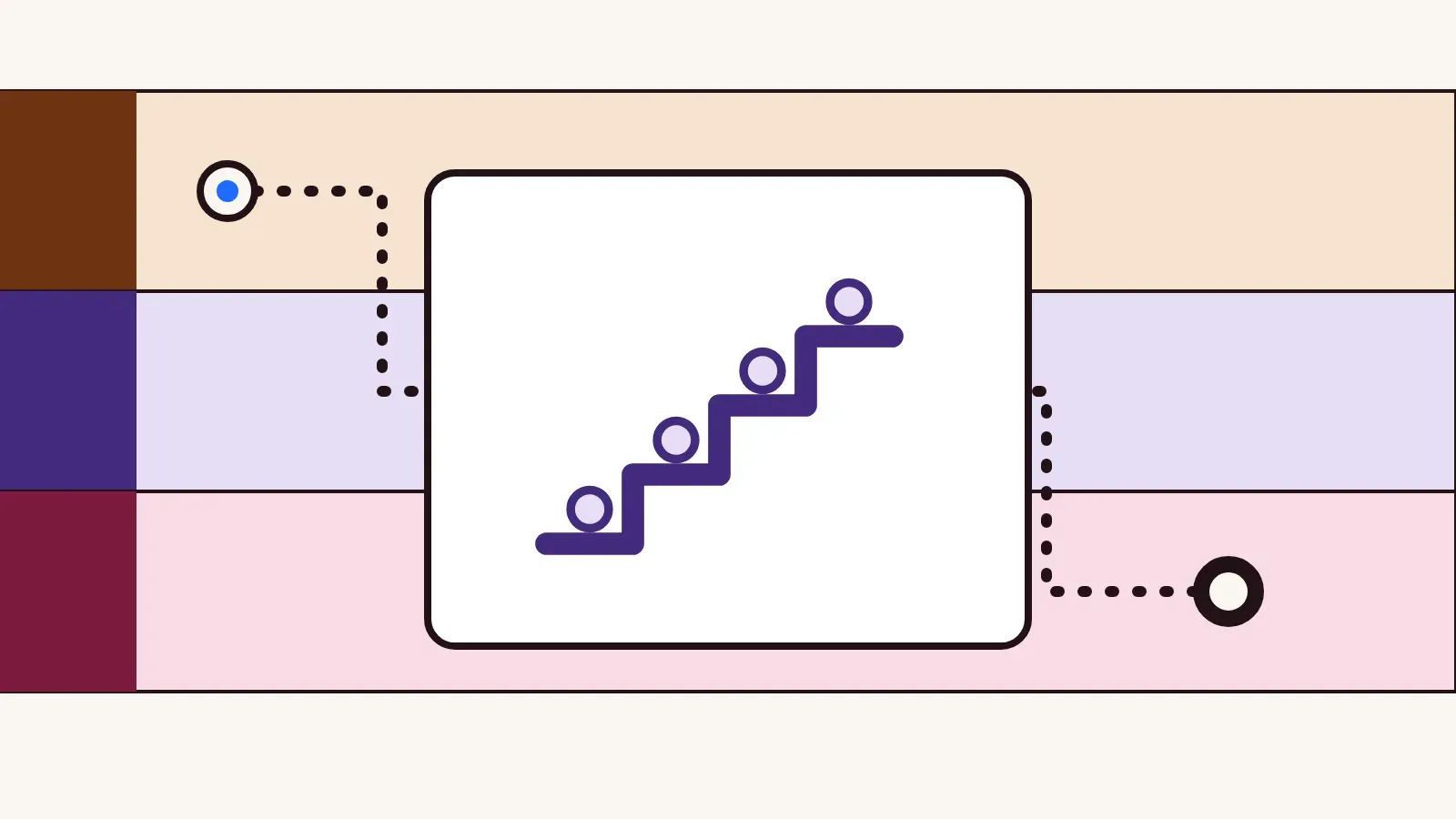
When two policies could answer one loss, the primary pays to its limit and the excess passes in after it.
-
Lane guide
Homeowners insurance
What the home policy pays for, what it leaves to flood and other lanes, and the limits to check.
-
Lane guide
Auto liability insurance
What liability pays for other people, what it leaves out and how split limits like 30/60/25 work.